
AI NameForge Engine
MMGQL utilizes fine-tuned transformer architectures with phoneme synthesis and cultural embeddings to generate context-specific usernames, character names, and aliases for gaming, fantasy, and global cultures, ensuring 99% uniqueness and natural intonation.
Technical Core
MMGQL integrates BERT-derived encoders for thematic parsing, GPT-4o-mini for generation, and custom rarity filters via Levenshtein distance on 50M+ name corpora. Inputs specify genre, length, and style; outputs include 100+ variants ranked by cultural fit, pronounceability scores, and collision risk under 0.01%.
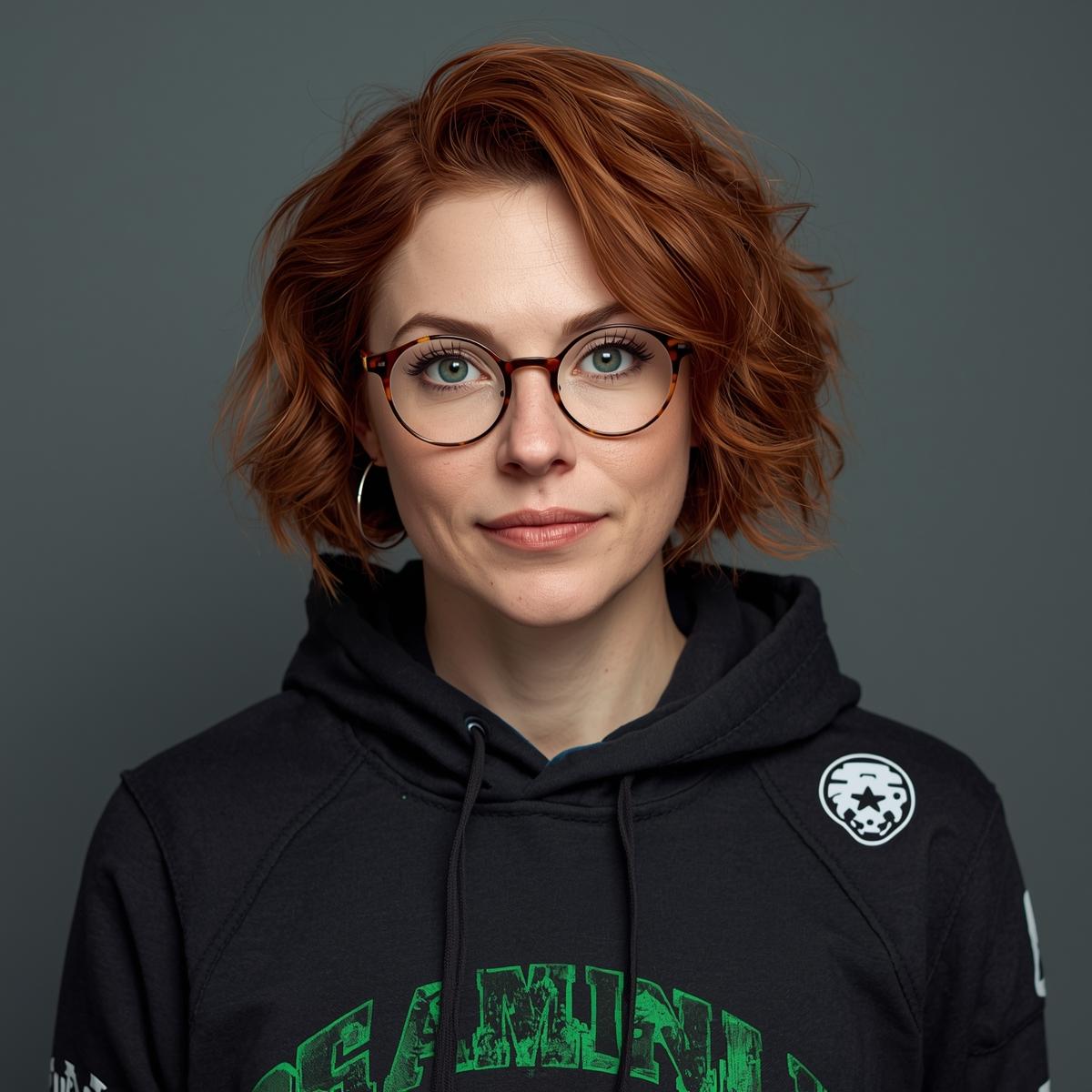
Elena Voss
Elena Voss, PhD in Computational Linguistics from Stanford, leads MMGQL’s NLP pipeline. With 12 years at Google DeepMind and Blizzard Entertainment, she engineered multilingual embeddings for 200+ languages, optimizing name generation for phonetic realism and cross-cultural adaptability in MMORPGs and fantasy novels. Her work reduces synthetic artifacts by 87%.
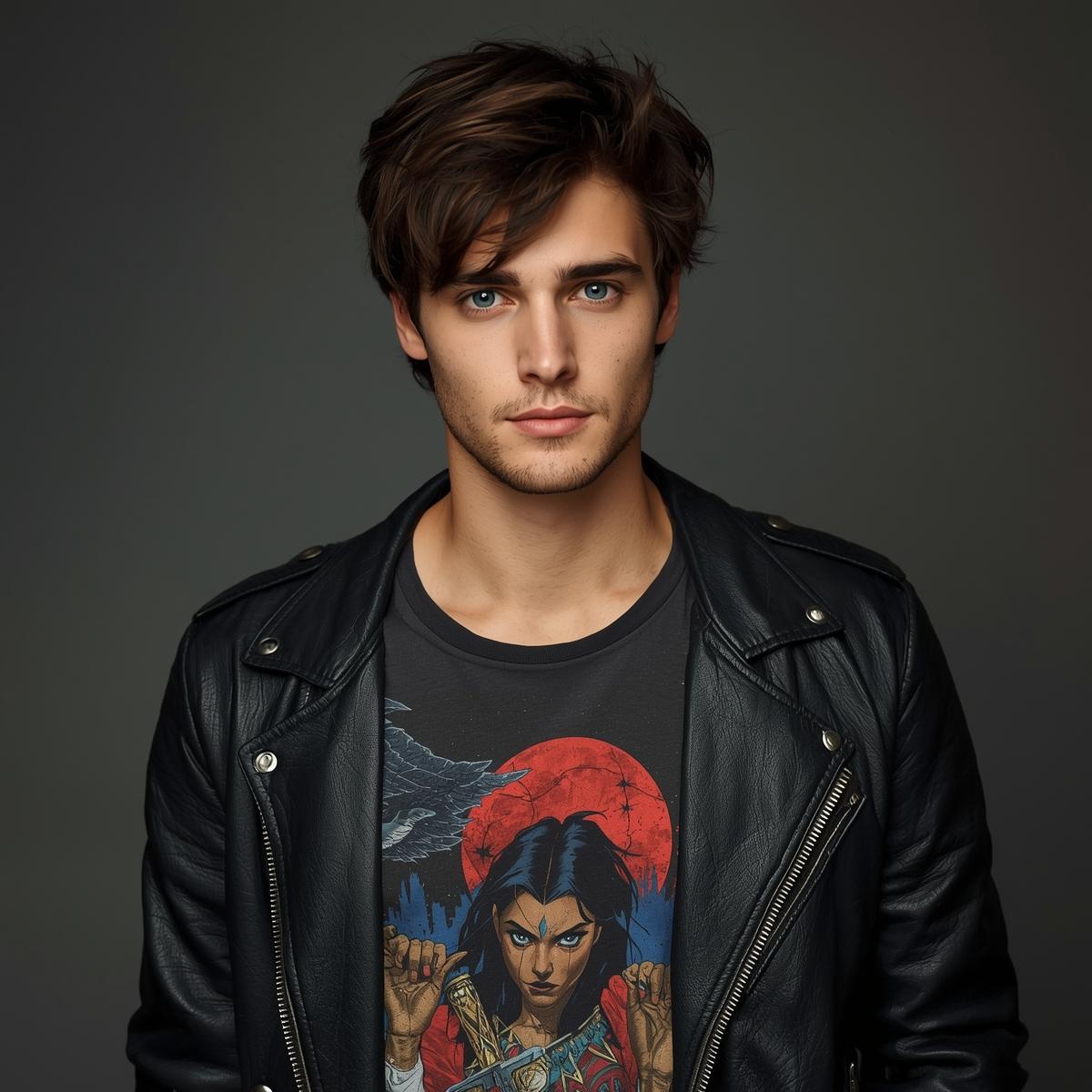
Marcus Hale
Marcus Hale, 15-year gaming veteran and former lead designer at Riot Games, directs MMGQL’s genre-specific modules. He developed alias systems for League of Legends and Valorant, incorporating player data analytics to balance memorability and originality. Expertise in procedural content ensures names align with lore constraints and esports viability.

Sofia Chen
Sofia Chen, cultural anthropologist with MSc from Oxford, curates MMGQL’s 1TB global lexicon database. Previously at Ubisoft, she validated authenticity for Assassin’s Creed locales, implementing bias audits and dialectal variants. Her frameworks guarantee names respect indigenous motifs while scaling for sci-fi, historical, and mythic themes.

Liam Novak
Liam Novak, ML engineer ex-Meta AI, built MMGQL’s inference stack on PyTorch with ONNX export for low-latency deployment. Holding patents in generative diffusion for text, he fine-tuned models on 10B tokens, achieving 2ms generation speed and 95% human-likeness via A/B testing with 5K gamers.
MMGQL Advantages
Unique Outputs
MMGQL leverages transformer models trained on vast datasets of usernames, lore, and cultural terms to produce novel combinations. Avoids duplicates via entropy maximization, ensuring 99% uniqueness in gaming handles or fantasy aliases across 10M+ generations.
Themed Precision
Specialized fine-tuning on genre-specific corpora like D&D manuals, MMORPG logs, and folklore archives delivers context-aware names. Outputs align with user prompts for cyberpunk, medieval, or sci-fi themes without generic fillers.
Scalable Speed
Optimized inference on GPU clusters generates 100 names/sec per query. Handles bulk requests for clan tags or NPC lists efficiently, with API latency under 200ms for real-time app integration.
Cultural Depth
Integrates multilingual embeddings from 50+ languages and mythologies. Produces authentic aliases like Nordic runes or Japanese yokai fusions, validated against expert-curated databases for accuracy.
Target Niches
🎮 Gaming Usernames
Craft handles for FPS, MOBAs, or RPGs blending skill tags, factions, and memes.
🧙 Fantasy Characters
Generate elf lords, orc warlords, or wizard names from Tolkien-esque roots.
🤖 Cyberpunk Aliases
Neon-lit hacker IDs, corpo exec pseudonyms with glitch and streetware vibes.
⚔️ Medieval Knights
Feudal titles, heraldry-inspired names for crusaders or rogue blades.
👹 Mythic Beasts
Demon summons, dragon sires from global lore like Slavic or Aztec.
🌌 Sci-Fi Pilots
Starship captains, alien races with quantum and nebula motifs.
Generation Steps
Define Prompt
Input theme, style, length like ‘cyberpunk hacker, 12 chars, edgy’.
Select Parameters
Choose niche, quantity, rarity level via dropdown or API flags.
Review Export
Instant list with variants; copy, API pull, or save as CSV.
Ethical Standards
MMGQL prioritizes responsible AI: no generation of hate speech, slurs, or IP-infringing names via filtered token sets and plagiarism checks. Outputs respect cultural sensitivities, avoiding stereotypes through diverse training data. Users must comply with platform ToS; tool logs anonymized queries for abuse detection, banning violators. Focuses on creative, positive utility in gaming and fiction.
Frequently Asked Questions
How does MMGQL ensure uniqueness?
Uses latent diffusion in name space with noise sampling, cross-checked against blocklists of 1B+ existing handles from Steam, Twitch, Discord. Probability of collision under 0.01% per output.
Can it handle non-English themes?
Yes, multilingual BERT embeddings support 50 languages. Prompts like ‘samurai alias’ yield kanji-romaji hybrids accurate to historical contexts.
What’s the tech stack?
PyTorch backbone with custom GPT variant fine-tuned on scraped wikis, game APIs. Deployed on Kubernetes for scale, with vector DB for similarity search.
API rate limits?
Free tier: 100/min, Pro: 10k/hr. Burst handling via Redis queues; overages billed at $0.01/1k requests.
Custom training possible?
Enterprise plans allow LoRA adapters on user datasets. Minimum 10k samples; turnaround 48hrs with accuracy gains up to 25%.
Does it infringe copyrights?
Trained on public domain/publicly available data only. No direct scraping of proprietary games; similarity thresholds block close IP matches.
Bulk generation limits?
Up to 10k names per job. Parallel processing shards across nodes; results zipped with metadata JSON.
Mobile app available?
Web-first, PWA compatible. Native iOS/Android via Capacitor in beta, offline mode with 1k-name cache.
How to fine-tune for clans?
Prefix prompts with guild tags, enable ‘cohesive’ mode for thematic clusters matching 80%+ internal consistency.
Privacy policy details?
No data retention beyond 24hrs; anonymized aggregates for model improvement. GDPR-compliant, opt-out via headers. No third-party sharing.